When Energy Costs Rise, Why Do Routines Stay the Same?
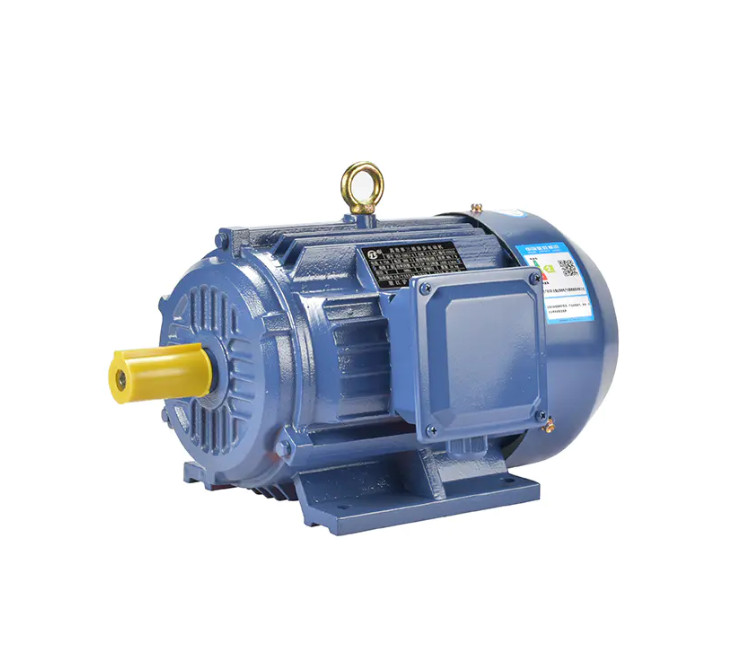
Energy prices fluctuate. Regulations evolve. Sustainability conversations dominate overseas social feeds. Yet many facilities still rely on the same motor setups installed years ago. This contradiction is driving renewed interest in High Efficiency Three Phase Electric Motor and Second Class Energy Efficient Motor solutions—not as upgrades, but as corrections.
The frustration isn’t ignorance. It’s inertia.
People know improvements exist, but changing equipment feels risky. Will it disrupt workflows? Require retraining? Create downtime? So routines stay the same—even when they no longer make sense.
What surprises many users is how little actually changes when they adopt a High Efficiency Three Phase Electric Motor. Daily operations feel familiar. Start-stop sequences remain the same. Maintenance processes stay recognizable.
The difference is subtle but persistent. The system feels less strained. Teams stop compensating with extra checks. Planning feels more predictable.
A Second Class Energy Efficient Motor fits into existing frameworks smoothly. It doesn’t demand attention or explanation. It simply performs consistently, even as conditions change.
In unexpected situations—longer shifts, variable loads—the contrast becomes clearer. Instead of worrying about efficiency losses or system stress, users focus on output and deadlines.
Overseas discussions increasingly frame efficiency as resilience. Not just saving energy, but staying steady when conditions aren’t ideal.
That’s why more professionals see these motors not as “new technology,” but as overdue alignment between modern challenges and everyday operations.
Sometimes the biggest change is realizing how little needs to change.
https://www.zjhute.com/product..../ye-high-efficiency-